
How to Create a Budget That Actually Works (2026)
A useful budget starts with the money you actually receive and the bills you actually pay. It should help you decide what happens before your next payday, including what to change when the numbers do not balance. You do not need a paid app or a perfect spending history to begin.
Updated September 28, 2026. This guide uses U.S. dollar examples and U.S. consumer resources. The calculations are illustrative, not promises of savings or individual financial advice.
1. Work out what is available to spend
Write down your take-home income after payroll deductions. Use bank deposits and pay statements, and avoid counting a transfer between your own accounts as new income. If you are self-employed, keep business costs and money reserved for taxes separate from household spending.
For variable income, compare several months rather than planning around your best month. Make a cautious plan for a lower-income month and decide in advance how you will use extra income. A yearly average can help with planning, but it does not mean that amount will arrive every month.
2. List expenses and their due dates
Separate essential bills, flexible spending, and predictable expenses that occur less often than monthly. Groceries can vary while still being essential; restaurant meals and entertainment are usually flexible. Annual insurance, school costs, and routine maintenance need their own allowance.
The Federal Trade Commission’s budgeting guide explains how to compare income with expenses and use actual spending to revise the next month’s plan. Start with your records, rather than estimates of what you think you should spend.
For an annual bill, divide the expected cost by the number of months left before it is due. A $600 bill due in six months needs $100 a month if nothing has been saved. After paying it, saving $50 each month would cover the next full year.
3. Build a budget that adds up
Here is an original worked example for someone receiving $3,000 each month. These are example amounts, not recommended prices or percentages for every household. Minimum debt payments are counted once under essentials.
| Category | Monthly amount |
|---|---|
| Rent and utilities | $1,150 |
| Groceries and household essentials | $350 |
| Transport | $200 |
| Insurance and minimum debt payments | $350 |
| Annual bills and maintenance fund | $150 |
| Emergency savings | $150 |
| Extra debt repayment or another savings goal | $200 |
| Flexible spending | $350 |
| Unallocated cushion | $100 |
| Total | $3,000 |
Essentials in this example total $2,050. If rent rises by $150, the original plan would exceed income by $150. One possible adjustment is to reduce flexible spending from $350 to $250 and the cushion from $100 to $50. The new total stays at $3,000. If flexible cuts cannot close the gap, a percentage rule will not solve it: you may need to review major costs, available assistance, income options, or payment arrangements.
4. Use percentages as a starting point
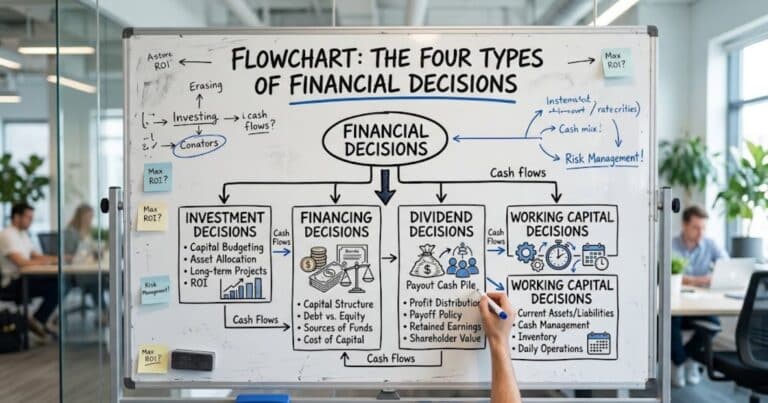
Choosing how to divide your money is one example of the financial decisions households make. If investing is one of your goals, our first-time investing guide explains the preparation to consider before committing money.
The CFPB’s budgeting worksheet illustrates a 50/30/20 split for needs, wants, and savings. On $3,000, those amounts would be $1,500, $900, and $600. The household above cannot fit its $2,050 essentials into the first bucket without changing its circumstances.
Do not borrow to meet a savings percentage. A zero-based plan is another option: assign all available income to spending, savings, debt payments, or a cushion so that planned income minus allocations is zero. That does not mean spending your bank balance down to zero.
5. Check the timing before automating
A monthly total can balance while your account runs short mid-month. Mark each payday and bill date on a calendar. For example, receiving $1,500 twice monthly does not cover $1,800 of early-month bills unless you carry money forward or arrange different due dates.
Set transfers only after allowing for upcoming bills. Check balances and turn on low-balance alerts. Overdraft protection is not a requirement for budgeting, and some overdraft services charge fees. The CFPB’s emergency-savings guide specifically cautions against automatic transfers that leave too little in checking.
6. Review and adjust
Once a week, compare remaining money with the bills still due. At month-end, compare planned and actual spending. If groceries repeatedly exceed the plan, use the observed amount and adjust another category rather than treating every month as an exception.
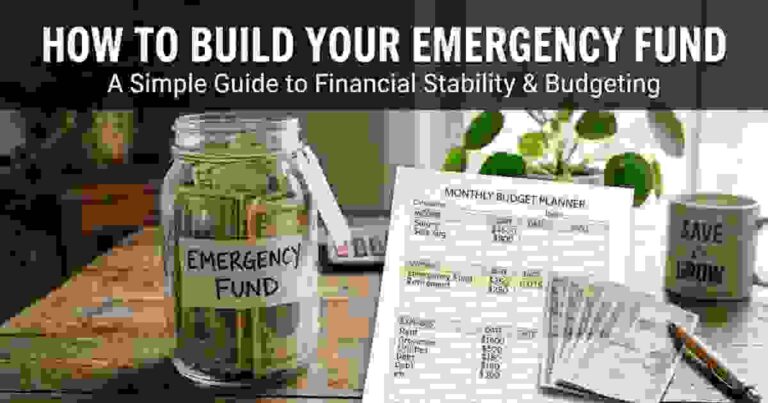
Keep predictable annual bills separate from an emergency fund. An annual premium is expected; a sudden loss of earnings is not. After an unexpected expense, rebuild the plan around what is available now.
Common questions
How do I budget when income is too low? List essential needs and obligations first. Contact providers or creditors early about payment options and look into assistance for which you qualify. Cutting small discretionary purchases may help, but it cannot fix every income shortfall.
How long does it take to get a budget right? There is no fixed deadline. Use each month’s actual figures to improve the next plan. The practical test is whether it helps you cover priorities and spot problems before bills fall due.
3 Comments